
Digestion’s worst enemy: stress
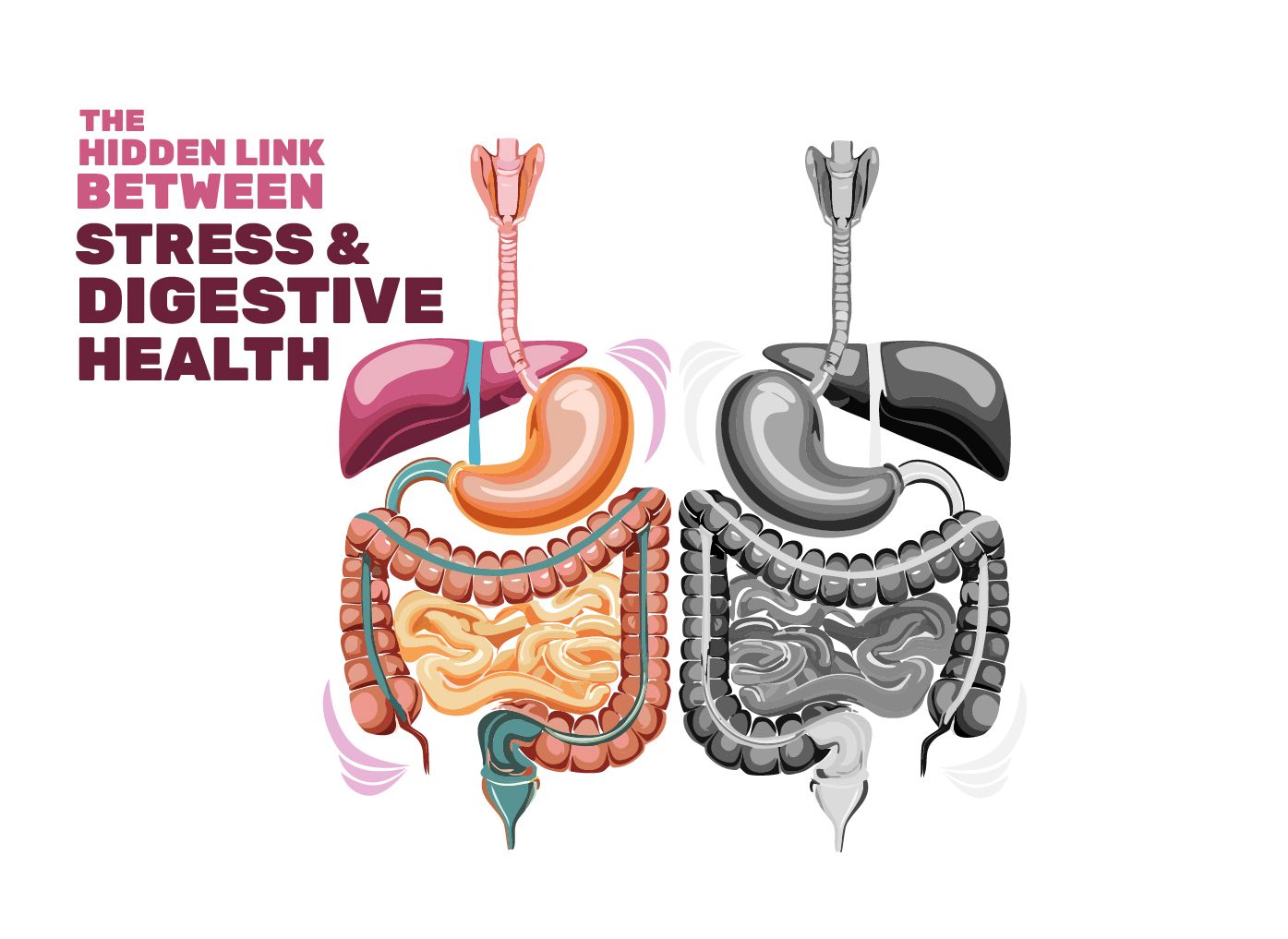
Stress and Its Impact on Digestion
Stress can significantly affect our metabolism, especially how we digest and process food. Digestion is not just about eating; it’s a complex system that influences mood, energy, nutrient absorption, and overall health. When stress becomes overwhelming—whether from work, relationships, or other challenges—it can disrupt digestion and trigger negative health outcomes.
The Nervous System’s Role in Digestion
We have discussed the autonomic nervous system’s role in the past, we explored the autonomic nervous system’s role in digestion. Here’s a quick recap:
-
Sympathetic Nervous System (SNS): Known as the “fight or flight” system, it activates during stress and redirects energy away from non-urgent functions, including digestion. This response helps in immediate danger but disrupts digestion when triggered persistently by chronic stress.
-
Parasympathetic Nervous System (PNS): Often called the “rest and digest” system, it supports relaxation and proper digestion.
Consequences of Chronic Stress on Digestion
Chronic stress can lead to:
-
Nutrient Deficiency: Reduced ability to break down and absorb vitamins and minerals.
-
Hormonal Imbalances: Stress hormones like cortisol can disrupt other hormone functions, worsening digestive issues.
-
Gastrointestinal Discomfort: Symptoms like bloating, cramping, or conditions such as irritable bowel syndrome (IBS).
-
Depleted Energy Levels: Poor digestion means less fuel for your body, leaving you tired and sluggish.
Managing Stress to Support Digestive Health
The good news is that you can take steps to protect your digestive system from stress. While stress is unavoidable, focusing on what you can control helps create balance. Here are some practical tips:
-
Exercise and Movement: Physical activity regulates stress hormones and promotes the PNS. Whether it’s a class at R3VIVE, a walk, yoga, or strength training, find what works for you.
-
Mindful Eating: Avoid eating in stressful situations. Slow down, focus on your meal, and chew thoroughly to help your digestive system.
-
Meditation and Relaxation Techniques: Deep breathing, progressive muscle relaxation, or mindfulness meditation can calm the SNS and prioritize digestion.
-
Social Connections: Connecting with others, even virtually, can lower stress and support mental health, which is closely tied to digestion.
-
Balanced Diet: Focus on whole, nutrient-dense foods and limit processed or sugary options to fuel your body effectively.
Small Changes, Big Impact
Stress often makes us feel like there’s no time for self-care, but even small adjustments can yield significant results. Reclaim control over your health by asking yourself: What small change can I make today to improve my digestion and well-being tomorrow?
It could be:
-
Adding a short meditation session.
-
Preparing a nutrient-rich meal.
-
Taking a moment to breathe deeply.
Supporting Your Health at R3VIVE
Your digestive system does more than process food—it’s a cornerstone of your physical and emotional well-being. By managing stress, you not only protect this vital system but also enhance your quality of life.
If you need support, our coaches at R3VIVE are here to help. We’re dedicated to your holistic health and well-being, and we’re ready to help you thrive!
The post Digestion’s worst enemy: stress appeared first on R3VIVE FITNESS.