The benefits of whey and casein protein
R3VIVE Fitness • February 7, 2024
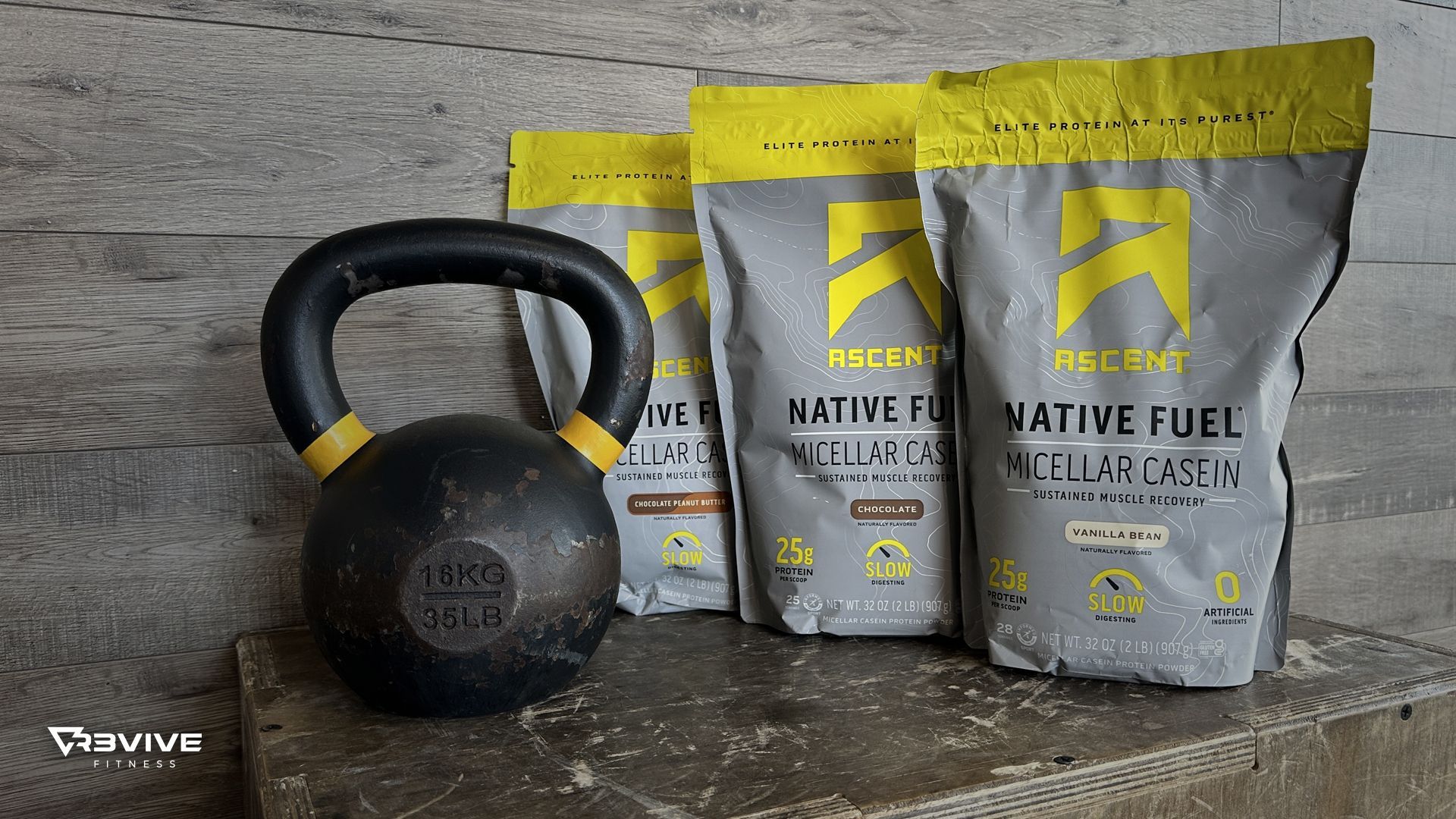
Kettlebell next to three bags of Native Fuel supplement on a gray surface. Bags are gray and yellow.

When it comes to supplementation, there are a lot of options available on the open market, which can make choosing what’s right for you overwhelming. At R3VIVE, we have worked to eliminate the complicated process of shopping for protein, by supplying our members with some of the best protein sources on the market.

We have partnered with Ascent Protein , serving our members both their whey and casein protein products. Let’s take a moment to review some differences between the two types.

What is Whey Protein?

Whey protein is a high-quality protein derived from milk during the cheese-making process. It contains a complete amino acid profile, making it an excellent source of essential amino acids crucial for muscle growth, repair, and overall body function. Whey protein is quickly and easily absorbed by the body, making it a popular supplement among athletes, fitness enthusiasts, and those seeking to increase their protein intake. Additionally, whey protein has been associated with various health benefits, including supporting immune function and promoting satiety. It comes in various forms, such as concentrate, isolate, and hydrolysate, each with different protein concentrations and processing methods to suit individual dietary preferences and goals.

Ascent’s whey protein is an isolate form of protein, which means the process for filtering the protein is more intense removing lactose and fat and ensuring purity for its protein source. It is also considered some of the cleanest protein on the market, without additional additives such as emulsifiers.

What is Casein Protein?

Casein protein is a high-quality protein found in milk, constituting about 80% of the total protein content. Unlike whey protein, casein is a slow-digesting protein, providing a sustained release of amino acids into the bloodstream over an extended period. This slow digestion makes casein an ideal protein source for promoting muscle protein synthesis during periods of fasting, such as overnight or between meals. It forms a gel-like substance in the stomach, leading to a gradual release of amino acids and providing a feeling of prolonged fullness. Casein is often used as a dietary supplement to support muscle maintenance and growth, particularly in situations where a steady and prolonged protein supply is beneficial, such as during periods of rest or sleep.

What are the differences between whey and casein protein?

Whey protein and micellar casein protein are both complete proteins, encompassing all nine essential amino acids crucial for the body. The digestion and absorption processes of casein differ significantly from whey protein, influencing their respective roles in workouts and muscle recovery. Some key differences are:

Whey Protein

  • Fast-digesting, resulting in a rapid increase of amino acid levels in the bloodstream
  • Fast muscle protein synthesis, making it ideal for during or right after your workout
  • Versatile to mix with liquids for convenient consumption, such as a protein shake

Casein Protein

  • Slow-digesting, providing a gradual release of amino acids over several hours
  • Sustained muscle protein synthesis for a longer period, making it ideal for sleep and recovery

Why does it matter?

Enhancing your muscular strength is key to improving performance in any sport, reducing fatigue and minimizing negative impacts on the body. Protein supplementation can play a crucial role in achieving these goals, particularly when combined with resistance training, as studies indicate it may boost gains in both aerobic and anaerobic power. The caveat lies in the importance of consistency; as sustained commitment is shown to be the catalyst for noticeable results in terms of increased muscle strength and overall performance.

Train to live. Train with purpose.

winners from throwdown 2025
By Derek Saffold April 8, 2026
Meet the Member of the Month for April 2026: Jeremy Clark! What started as a little competitive motivation turned into a full-on commitment to getting stronger, moving better, and showing up consistently.
By Derek Saffold April 8, 2026
Let me give you a number: 1 in 8. GLP-1 medications—like Ozempic, Wegovy, and Mounjaro—are reshaping the conversation about weight loss. With 1 in 8 American adults reporting use as of 2025, chances are someone you know is experiencing their powerful effects. The truth is, the weight loss is significant , and we’re not here to talk you out of it. 25%. That's the percentage of American adults who, as of 2025, report having used a GLP-1 medication for weight loss. Chances are, someone in your life is on one of these right now. Maybe you are too. And honestly? The results are real. But we are here to talk about what the research says and ensure your weight loss journey doesn't cost you something invaluable: your muscle and strength. This is the key to lasting results, long-term health, and true functional fitness. The Study You Need to Know About A 2025 systematic review in Metabolism analyzed 22 clinical trials to understand exactly how GLP-1 medications affect your body composition. They found that the drugs work! On average, people lost 3.55 kg of total body weight. Here’s the part not getting enough attention: 0.86 kg—roughly 25% of everything lost—came from lean mass. That includes MUSCLE! This lean tissue is vital. It keeps your metabolism running, supports your joints, and is strongly correlated with longevity and independence. The more powerful the drug, the worse the muscle loss. In one clinical trial for the potent GLP-1, Semaglutide, nearly 45% of total weight lost came from lean mass. Losing muscle at this rate is a serious concern for anyone aiming for better health, not just a lower number on the scale. Why This Muscle Loss Happens GLP-1 medications work by suppressing your appetite — they make you feel full faster and eat significantly less. That creates a large caloric deficit, which is great for fat loss. However, when calories drop quickly, your body often cuts costs in the easiest place: muscle. Think of it like a company facing sudden budget cuts. When revenue drops fast, leadership doesn't carefully evaluate every line item — they cut headcount because it's the fastest way to reduce costs. Your body does the same thing with muscle. Muscle is metabolically expensive to maintain. Without a strong signal telling your body to keep that tissue, it can be burned for fuel. This means you could be losing the very strength and functional capacity you'll need most when the weight loss is complete, and you’re no longer on the medication. The Solution: Protecting Your Strength with Resistance Training The good news is that we have the key to sending your body that preservation signal. Resistance training lets our bodies know that “this tissue is being used” - so do what we can to keep it. Without that, even a clinically proven weight loss drug can end up costing you the very tissue you'll need most when the weight is gone, and you're no longer taking the GLP-1 medication. What This Means for You If you are on a GLP-1 medication—or considering one—your focus needs to shift from just the scale to protecting your muscle. The drug can handle the appetite piece. Your job — and ours — is to protect your muscle while that's happening. Consistent Resistance Training (The Signal). Resistance training is non-negotiable. It tells your body, “This tissue is being used—keep it!” Consistent, challenging training is the most powerful tool you have to mitigate the muscle-wasting effects of a fast caloric deficit. Prioritize Protein (The Fuel). Appetite suppression on GLP-1s makes it extremely easy to under-eat, especially protein. Your body needs protein to rebuild and maintain muscle tissue. We recommend setting and hitting high protein targets every single day, even when you don't feel hungry. That's why our training is the Ideal Program for GLP-1 Users If your goal is to lose fat , we should also be preserving (maybe building some) muscle, strength, and fitness. A comprehensive program like our Pump or Functional Fitness classes is a perfect complement to your GLP-1 journey. Resistance Training : Functional Fitness, and Pump incorporates heavy lifting (squats, deadlifts, presses) that provides the powerful signal needed to preserve muscle mass. Builds Real-World Fitness : The program is designed around movements that translate into real-world strength and capacity—lifting kids, carrying groceries, moving well for a lifetime. Scalable : Whether you’re a beginner or a seasoned athlete, our certified Coaches can scale the intensity to ensure you're challenged enough to protect muscle without over-training. The scale going down is only part of the story. We want you to lose fat, not the muscle your body needs to stay strong and functional for the long haul. We have the tools and the plan to help you ensure your weight loss results look as good on the inside as they do on the scale, and most importantly, that they stay that way! Questions about how this applies to your situation specifically? Just send us an email or set up a consultation below!
By Derek Saffold March 16, 2026
What is the March of Dimes? The March of Dimes is a non-profit organization dedicated to improving the health of mothers and babies, with a focus on preventing birth defects, premature birth, and infant mortality. Learn more about the March of Dimes here. Why is it important to us? We are excited to host a workout in support of the March of Dimes and the South Shore Hospital NICU team. My sister-in-law, Amanda Dougherty, and my nephew, Owen Dougherty, received a lot of care during Owen's premature and traumatic birth. Amanda and her family will be walking on the SSH NICU/SCN team in the March for Babies walk on May 9th, and we would love to support her by donating to the cause and helping other families in need. When's the charity class? We would love for everyone to come join us, no matter your fitness level, in support of this great cause. The class will be hosted on Sunday, April 12th, at 11 am. T-shirts will also be available for purchase as a preorder up until March 27th. All proceeds from registration of this event and profits from all shirts purchased will be donated to the SSH NICU/SCN team under Amanda Dougherty. Donate and Jump into Class If you would like to donate more, you can go directly to Amanda’s page and donate here.
More Posts